
Exposing the Truth About Beef Tallow
The internet has a lot of confident opinions about tallow. Not all of them hold up.
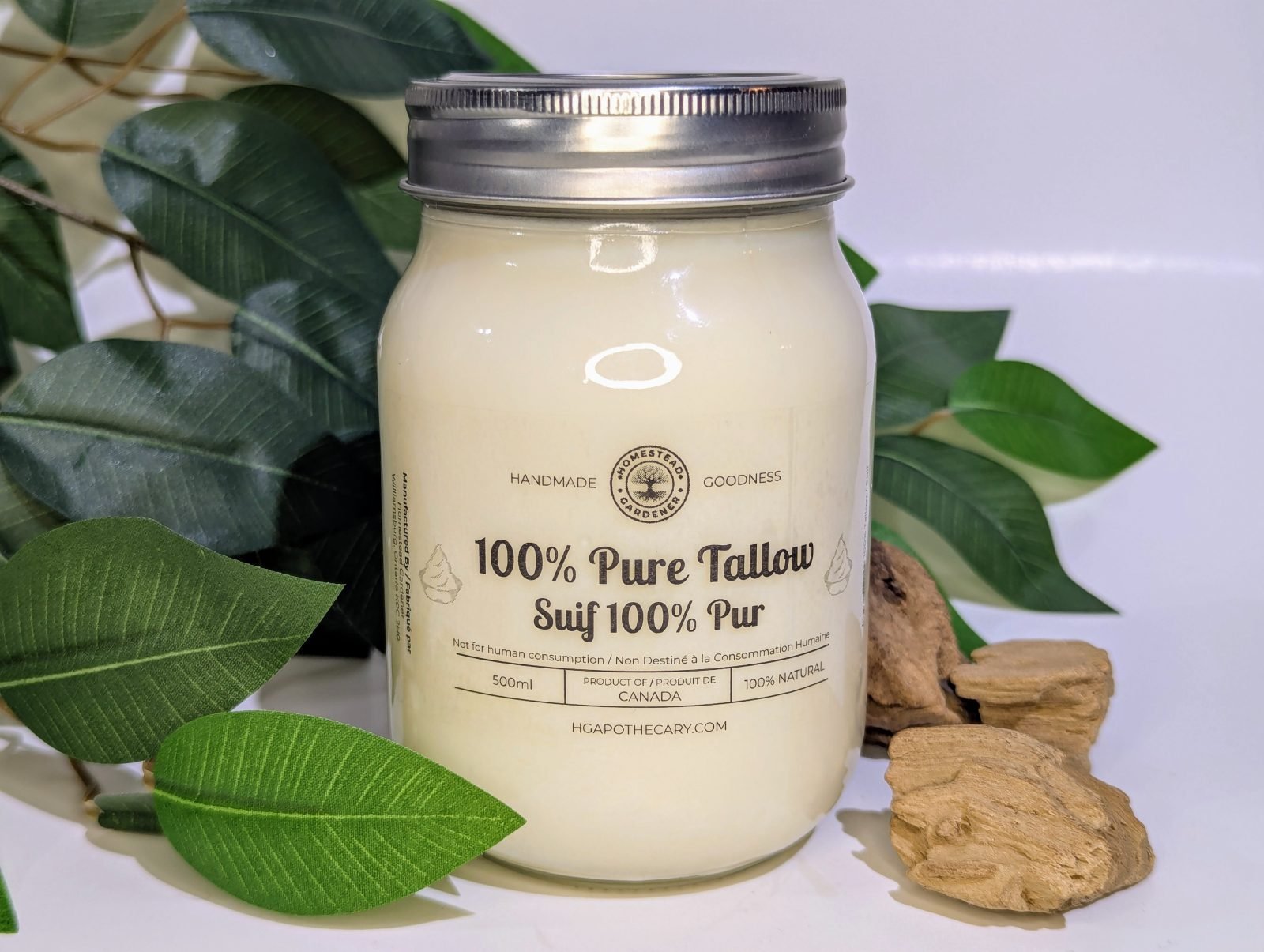
We've had a number of questions lately about the smell of beef tallow, and it's worth addressing properly — because as tallow has surged back into popularity, a lot of half-true and flatly wrong information has come along with it. There are a few things worth clearing up, both from the internet at large and from some tallow producers themselves.
From a manufacturing standpoint, it's genuinely surprising how many people jump on a trend without understanding the basics of how tallow is actually made. If you're buying rendered tallow that's pure white with zero scent, that's usually a sign it's been refined — deodorized and often processed at high heat, which strips away much of the nutritional value that makes tallow worth using on skin in the first place. At that point, you may as well be using a plain vegetable oil.
Pure Tallow Has a Scent
Raw, unrefined tallow will have a natural, beefy smell to it — a fully odorless tallow almost always signals chemical deodorizing or heavy refining. You'll see plenty of DIY renderers online using water, salt, or baking soda to clean up the scent during rendering. Here's why each of those comes with real trade-offs.
Rendering in Water
Rendering in water is a traditional method, but it's one we strongly advise against — and it comes down to real-world execution more than theory. The moment water enters the render, you've created an environment where mold and airborne wild yeasts can take hold, accelerating rancidity. In practice, very few home renders — or even commercial ones — manage to drive off every last trace of that water at the end of the process. Any residual moisture left behind gives bacteria and mold exactly what they need to thrive, and it can happen well before it's visible or detectable by smell. If water and preservatives are being added to compensate, it's no longer a pure product. A properly executed dry render sidesteps this risk entirely by never introducing water in the first place — which is exactly why it's the only method we use and the only one we recommend.
Rendering with Salt
Salt is a traditional aid for separating fat from connective tissue, but for skincare specifically, it's generally avoided today. Residual salt can be drying or irritating to skin, potentially aggravating conditions like eczema or acne. Salt is also hygroscopic — it attracts and holds onto moisture — so any left in the tallow increases the risk of retained moisture and, with it, mold or bacterial growth. It can also cause uneven rendering, leaving a grainier, less smooth texture.
Rendering with Baking Soda
Baking soda is highly alkaline, and even small amounts can react with tallow's fatty acids, forming a soap-like compound that alters texture — often making the tallow grainy, sticky, or waxy. It can reduce the beefy smell, but it comes at the cost of purity and consistency, and for skincare use, residual baking soda carries the same drying and irritation risk as salt.
For a home DIY batch, these shortcuts may not matter much. But for anyone producing tallow commercially, a clean dry render with no additives is the standard that actually protects both product quality and the people using it.
Trimmings and Suet Are Not the Same
Beef trimmings and beef suet get used interchangeably in conversation, but they're genuinely different, and it affects the quality of the finished tallow. Trimmings tend to carry more connective tissue, lower nutritional density, and higher moisture content — all of which accelerate mold growth, bacterial risk, and rancidity. Suet, which comes from around the kidneys and loin, renders into a cleaner, more nutrient-dense product. If you care about quality, make sure whoever's rendering your tallow — yourself or a producer — is actually using suet, not just leftover fat trimmings.
Tallow Is Not Vegan
This needs to be said plainly: tallow is rendered animal fat. It comes from cows. It is not, and will never be, a vegan product. If you're looking for a plant-based alternative with somewhat similar skincare properties, coconut oil or shea butter are the closer comparisons — but they're a different ingredient with a different fatty acid profile, not a substitute for tallow itself.
Why Raw, Unformulated Tallow Isn't the Best Choice for Skin
A lot of people apply pure tallow directly to their skin, and while some do fine with it, plenty don't. Tallow is dense and highly occlusive — its thick consistency forms a barrier on the skin that helps trap in moisture. That same thickness, combined with a lack of emulsifiers, also means it doesn't fully absorb the way a formulated lotion does. For some skin types, especially oily or acne-prone skin, an unblended, undiluted layer of pure fat can trap existing dirt, bacteria, and sebum against the skin rather than letting it breathe properly — which is exactly the kind of issue tallow is usually praised for solving.
Correcting the record — the "pH" claim: pure tallow is often described as having "a pH around 7," but this isn't technically accurate. pH is a measurement of hydrogen ion concentration in an aqueous (water-based) solution — and pure tallow contains no water at all. An anhydrous fat like tallow doesn't have a true, measurable pH the same way a lotion, cleanser, or anything with a water phase does. What actually matters for skin compatibility isn't a pH mismatch — it's tallow's occlusiveness and lack of water/emulsifier balance, which is exactly why blending it into a proper formulation (with water, an emulsifier, and pH adjusters like citric acid where needed) produces a noticeably better result on skin than the raw fat alone.
We pH test all of our finished skincare products — which is meaningful specifically because they contain a water phase, unlike raw tallow on its own. This is exactly why we formulate rather than just jarring up pure rendered fat: our pure tallow is best suited for people formulating their own products at home, or for cooking, where it's a genuinely excellent replacement for seed oils. For skin, a properly formulated product will always outperform the raw ingredient alone.
Wagyu Beef vs. Grass-Fed Beef
We're occasionally asked whether we carry Wagyu beef tallow, sometimes with the assumption that it's simply better for skin. We don't carry it, and here's why.
Worth clarifying: the meaningful nutritional difference here actually comes down to diet — grass-fed versus grain-finished — not the Wagyu breed itself. Wagyu cattle absolutely can be raised grass-fed, in which case their nutrient profile would look more similar to other grass-fed beef. In practice, though, most commercial Wagyu — especially prized varieties like Japanese A5 or Miyazaki — is intensively grain-finished specifically to produce the marbling Wagyu is known for. That grain-finishing is what lowers the fat-soluble vitamin content (A, D, E, and K2) that makes grass-fed tallow so valuable for skin, not something inherent to the breed.
Wagyu tallow does have real culinary merit — a milder flavor and a lower melting point that's genuinely nice to cook with. But for skincare, where those fat-soluble vitamins are the whole point, conventionally grain-finished Wagyu tallow doesn't offer an advantage, and it comes at a significant price premium given how expensive authentic Wagyu (particularly imported varieties) is. Our suet is sourced from local, grass-fed farms in our area — which matters more for skincare purposes than the Wagyu name does.
The Bottom Line
Not all tallow is made equal, and a lot of the confidently-stated claims online don't hold up to scrutiny — including a few that have circulated as "facts" without much real basis. Expect real, properly rendered tallow to have a natural scent. Understand the difference between trimmings and suet. Know that tallow is an animal product, not a vegan one. And when it comes to skin, a properly formulated product — with real attention to water balance and texture — will outperform raw tallow applied straight from the jar.
Prefer a properly rendered tallow product? Our tallow is dry-rendered from grass-fed suet, with zero water, salt, or baking soda shortcuts — just pure, nutrient-dense tallow the way it should be made.
Shop Our 100% Pure TallowThis article reflects our own formulation philosophy and current understanding of tallow rendering and skincare chemistry. Individual skin responses vary — patch test any new product.

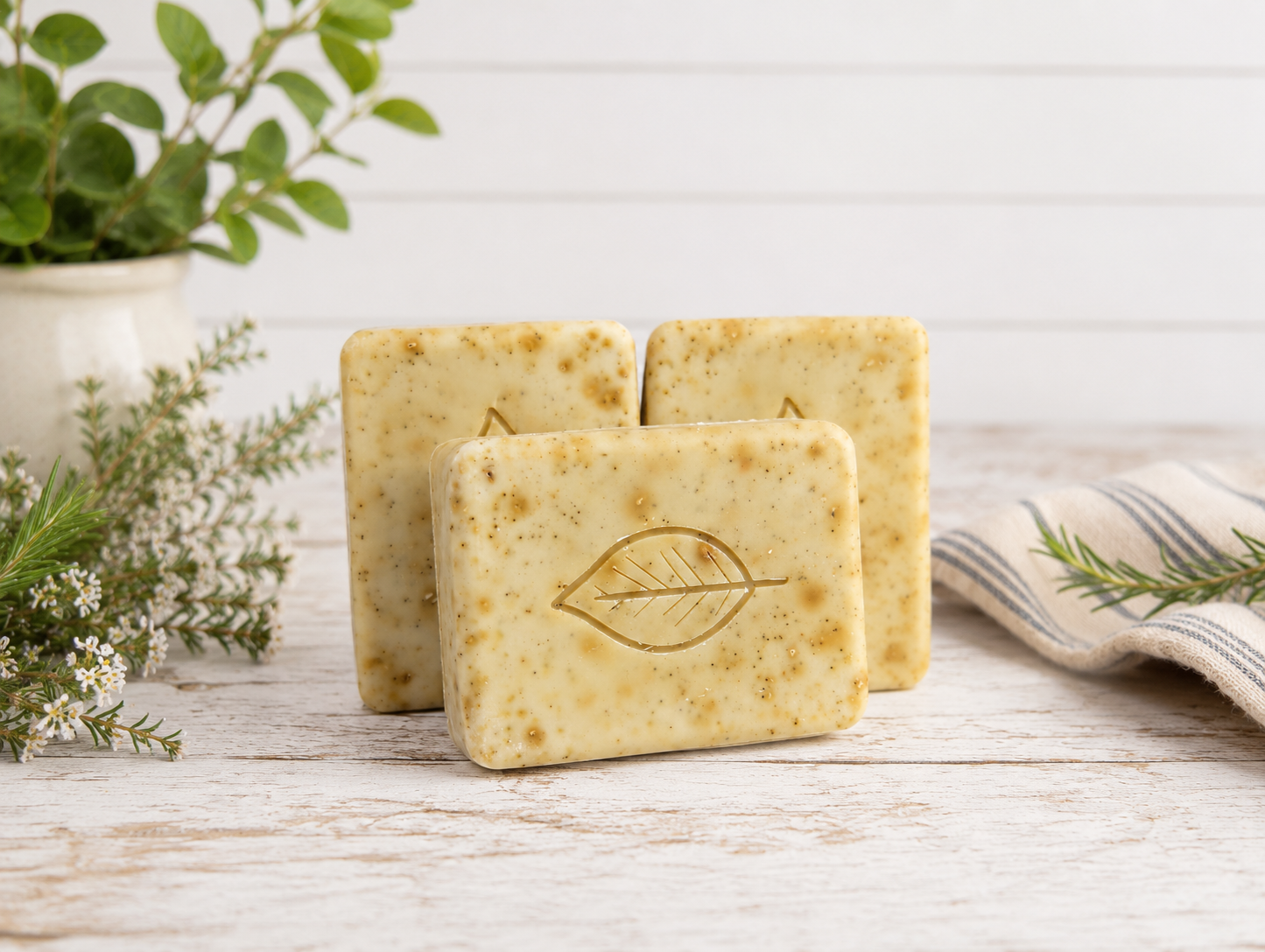
Handcrafted Tallow Soap
Infused with luxurious vanilla beans for a gentle, nourishing cleanse. Made with natural ingredients, each bar soothes, exfoliates, and leaves your skin feeling soft and refreshed.
Order Yours Today

