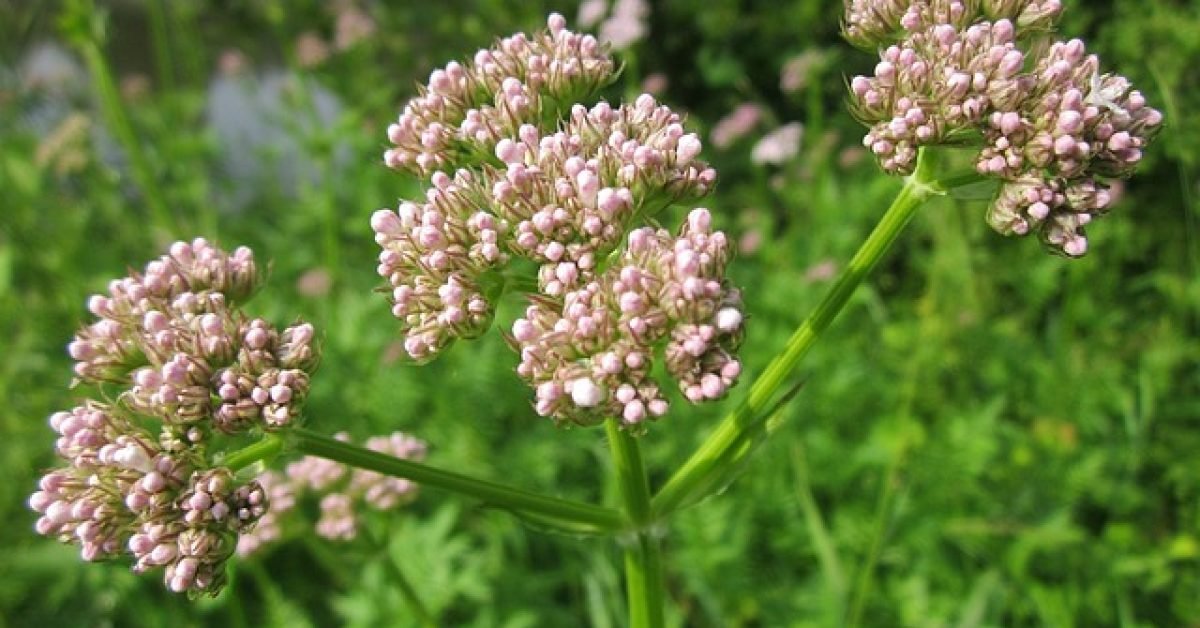
Valerian
Valeriana officinalis · Caprifoliaceae
Also known as Garden Heliotrope
Overview
Valerian is traditionally used to support sleep, ease anxiety, and relax nervous tension. It has mild sedative properties and is commonly taken as a tea, tincture, or capsule.
The root is the primary part used in herbalism, valued across traditional European medicine, Western herbalism, and Ayurvedic practices.
Uses
Internal uses (primary)
- Supports sleep and relaxation
- Mild sedative and anxiolytic
- Reduces muscle spasms and tension
- Eases mild nervous system irritability
- Headaches, menstrual cramps, and muscle spasms
- May support digestive health by relaxing gut muscles
External uses
Rare — sometimes used in infused oils for muscular tension or minor aches.
What the research says
Studies show valerian root can improve sleep quality, reduce anxiety, and offer muscle-relaxant properties. More research is needed on long-term effects.
Active Compounds
Valerenic acid
The primary compound responsible for valerian's calming effects.
Flavonoids (e.g., luteolin)
Contribute to the herb's anti-anxiety and antioxidant properties.
How to Use Valerian
| Preparation | Benefits | How to use |
|---|---|---|
| Tea / infusion | Sleep, anxiety relief | Steep 1–2 tsp dried root per cup of water for 10–15 minutes. Drink 1–2 cups 30–60 minutes before bedtime. |
| Tincture (1:5) | Concentrated sleep aid | 2–4 mL, 1–2 times daily, preferably in the evening. |
| Capsules / powder | Convenient sleep support | Follow manufacturer instructions — commonly 400–900 mg before bed. |
| Poultice | Muscle relaxation | Apply crushed roots to the affected area. |
Medication Interactions
- May enhance the effects of sedatives or sleep medications
- Avoid combining with alcohol or CNS depressants
Contraindications
Use with caution or avoid:
- During pregnancy, unless directed by a healthcare provider
- In children — moderate doses with guidance only
- If allergic to plants in the Caprifoliaceae family
- Individuals with liver disease (rare cases of liver toxicity reported)
Caution & Safety
- Avoid driving or operating heavy machinery after use
- Moderate doses recommended
- Monitor for mild digestive upset or dizziness
- High doses may cause grogginess the following day
Herbal Pairings
Blends well with
- Lemon Balm (calming synergy)
- Chamomile (sleep and relaxation support)
- Hops (sleep support)
- Passionflower (enhances sedative and anxiety-reducing properties)
- Lavender (supports relaxation and calms the nervous system)
Avoid combining with
- Other sedatives, alcohol, or sleep medications without guidance
- Kava — both are potent sedatives; combining may cause excessive drowsiness or liver strain
- St. John's Wort — may interfere with valerian's sedative effects
Possible Side Effects
- Mild digestive upset
- Dizziness or grogginess if taken in high doses
- Rare allergic reactions
Growing & Harvesting
Growing tips
- Soil: moist, well-drained, slightly acidic soil
- Sunlight: partial to full sun
- Watering: keep soil moist but not waterlogged
- Pruning: remove dead foliage to promote healthy growth
Harvesting
- Harvest roots in fall after 2–3 years of growth for maximum potency
- Dry roots thoroughly before storing for medicinal use
Fun Facts & Folklore
- Valerian root was used by ancient Greeks and Romans to treat insomnia and anxiety.
- The name "valerian" comes from the Latin word "valere," meaning "to be strong or healthy."
- Cats are often attracted to valerian root, much like catnip.
Related Herbs
Grow your own apothecary — shop dried valerian root for teas, tinctures, and sleep blends.
Shop Valerian at Homestead GardenerNotes
Valerian is a cooling nervine and mild sedative ideal for sleep support, anxiety reduction, and muscle relaxation. Best used in teas, tinctures, or capsules.
Want this as a printable reference?
Download the full Valerian herb sheet as a PDF to keep in your apothecary binder.
Download the Valerian Herb Sheet (PDF)For educational purposes only. Not intended to diagnose, treat, or cure any condition. Not a substitute for professional medical advice — consult your doctor or a certified herbalist before using valerian or any herb.