

From ancient times, medicinal plants have been used for their healing properties. The world of herbs and herbal medicines is vast, but I’ve compiled a list of the top 10 commonly used herbs that are known for their numerous health benefits. Whether you’re looking to relieve stress or treat an upset stomach, these natural remedies can be a great alternative to traditional medicine.
Introduction to Medicinal Plants
Herbal medicine, also known as botanical medicine or phytotherapy, is the use of plants for medicinal purposes. Herbalism is a traditional medicinal practice based on the use of plants and plant extracts. Although herbalism may apply modern scientific techniques, it is often considered a form of alternative medicine.
The scope of herbal medicine is sometimes extended to include fungal and bee products, as well as minerals, shells, and certain animal parts. Botanical ingredients are found in a variety of over-the-counter medications, including pain relievers, cold remedies, and dietary supplements.
Commonly Used Herbs and Their Benefits
There are a wide variety of kitchen herbs that offer various health benefits. The great thing about kitchen herbs is that you don’t need a lot of space to grow them. Let’s briefly look at some commonly used herbs and their benefits:
- Basil: This herb is rich in antioxidants and has anti-inflammatory properties. It can be used to treat a variety of conditions, such as colds, headaches, and stomach issues.
- Chamomile: Chamomile is known for its calming effects. It can help to relieve anxiety, insomnia, and stomach problems.
- Lavender: Lavender is often used as a relaxation aid. It can also help to treat anxiety, depression, and insomnia.
- Peppermint: Peppermint has a refreshing aroma and can help to relieve digestive issues, headaches, and cold symptoms.
Medicinal Plant #1 – Echinacea
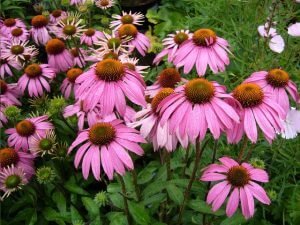
Echinacea is a flowering plant in the daisy family. It is native to North America and has been used by Native Americans for centuries as a medicinal herb. Echinacea is most used to boost the immune system and fight off infections, but it can also be used to treat other conditions such as anxiety, inflammation, and pain.
There are three main types of echinacea: Echinacea purpurea, Echinacea angustifolia, and Echinacea pallida. Each type has different active ingredients and therefore different effects on the body.
Echinacea purpurea is the most common type of echinacea used in supplements. It is thought to be the most effective in boosting the immune system and fighting off infections.
Echinacea angustifolia is less common than purpurea, but it is thought to be more effective in treating inflammation and pain.
Echinacea pallida is the least common type of echinacea and is not often used in supplements. However, it does have some benefits, such as reducing anxiety levels.
Medicinal Plant #2 – Ginger
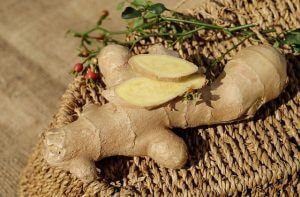
Ginger is a popular spice with a long history of use in traditional medicine. It is made from the root of the ginger plant and has a strong, pungent flavor.
Ginger is commonly used to treat nausea and vomiting, but it may also be effective in treating other conditions like pain, inflammation, and diarrhea. Some research suggests that ginger may also help boost immunity and improve circulation.
Medicinal Plant #3 – Ginseng
 Ginseng is a popular herbal remedy that has been used for centuries to treat a variety of ailments. The active ingredients in ginseng are thought to be ginsenosides, which are believed to have anti-inflammatory, anti-cancer, and immune-boosting properties. Ginseng is available in many forms, including capsules, tablets, teas, and extracts.
Some scientific evidence supports the use of ginseng for certain conditions. For example, ginseng has been shown to improve cognitive function in people with Alzheimer’s disease and dementia. Additionally, ginseng may help to reduce fatigue and improve stamina. Additionally, ginseng appears to boost the immune system and may help to prevent or reduce the severity of colds and flu.
While ginseng is generally considered safe, it can cause some side effects such as insomnia, anxiety, high blood pressure, and headaches. It’s important to talk to your doctor before taking ginseng if you have any medical conditions or are taking any medications.
Medicinal Plant #4 – Garlic
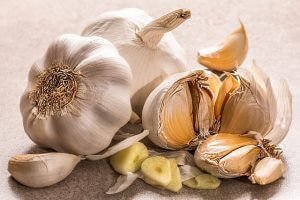
Garlic (Allium sativum) is a member of the onion family and has been used as a medicinal herb for centuries. Garlic is rich in vitamins and minerals and has been shown to have numerous health benefits.
Garlic is most used to treat respiratory conditions such as colds and flu. It is also effective in treating heart disease, high blood pressure, and high cholesterol. Additionally, garlic can be used to boost the immune system, fight cancer, and prevent Alzheimer’s disease.
To get the most benefit from garlic, it is best to consume it raw or lightly cooked. Raw garlic contains the highest concentration of active compounds. When cooking garlic, be sure not to overcook it, as this can reduce its efficacy.al medicine!

Medicinal Plant #5 – Tulsi (Holy Basil)
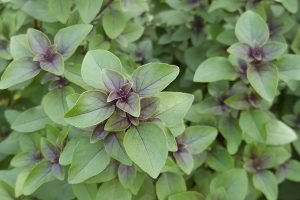 Tulsi, also known as Holy Basil, is an Ayurvedic herb that has been used in India for thousands of years. Traditionally, it was considered a sacred plant and was often planted in front of temples and homes. Tulsi is a member of the mint family and has a strong aroma and taste. It is often used in Ayurvedic medicine to treat a variety of conditions, including colds, flu, fever, headaches, stomach problems, anxiety, and stress. Tulsi is also said to boost immunity and increase energy levels.
Medicinal Plant #6 – Turmeric
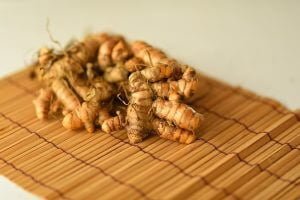 Turmeric (Curcuma longa) is a spice that has been used in Indian and Chinese cuisine for centuries. It is also a key ingredient in many traditional medicines. Turmeric contains a compound called curcumin, which has powerful anti-inflammatory and antioxidant effects. These effects have been linked to a reduced risk of heart disease, Alzheimer’s disease, and cancer.
Medicinal Plant #7 – Licorice Root
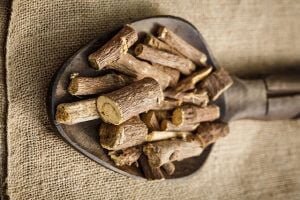 Licorice root is one of traditional Chinese medicine’s most used herbs. It is known for its sweet taste and its ability to relieve coughs and stomach aches. Licorice root is also thought to have anti-inflammatory and immune-boosting properties.
Medicinal Plant #8 – Aloe Vera
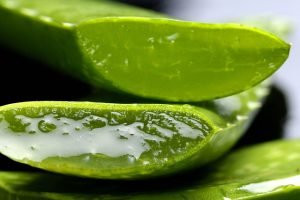 Aloe Vera is a succulent plant that is often used in herbal medicine. The gel from the leaves can be used topically to soothe burns or taken internally to treat digestive issues. Aloe Vera is also said to boost the immune system and help fight off infection.
Medicinal Plant #9 – Dandelion
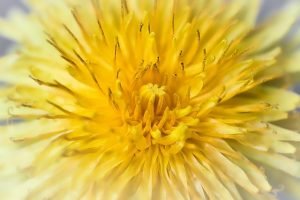 Dandelion is one of the most used medicinal plants. The entire plant is edible and used to make medicine. Dandelion is used for many conditions including liver problems, diabetes, high cholesterol, and digestive disorders. It is also used as a diuretic to help the body get rid of water retention.
Medicinal Plant # 10 – Oregano
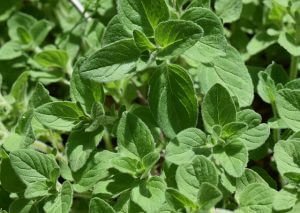 Oregano is a fragrant herb that has a strong, pungent flavor. It is used in many cuisines, but it also has medicinal properties. Oregano is a good source of antioxidants and has anti-inflammatory, antibacterial, and antifungal properties. It can be used to treat respiratory infections, stomach aches, and skin conditions. Oregano oil is also available and can be used topically or taken internally.
Side Effects Of Medicinal Plants
Herbal medicines are made from plants, and they are used to treat a wide variety of conditions. While most herbs are safe, some can cause side effects. The most common side effects of herbal medicines include:
- Gastrointestinal upset (nausea, vomiting, diarrhea)
- Skin irritation (rashes, hives)
- Allergic reactions (asthma, hay fever, hives)
- Cardiovascular problems (high blood pressure, irregular heartbeat)
- Central nervous system problems (seizures, dizziness)
If you experience any of these side effects after taking herbal medicine, stop taking the herb and immediately see your doctor.
Conclusion
As you can see, herbal medicine is a powerful and natural way to treat many ailments. From helping with digestion issues to reducing inflammation, these medicinal plants have so much potential to offer us. By learning about these most used herbs and their benefits, you now have the knowledge needed to take your health into your own hands. I hope this article has been informative and encouraged you to explore more of the incredible world of herb