
Arnica
Arnica montana · Asteraceae
Also known as Mountain Tobacco & Leopard's Bane
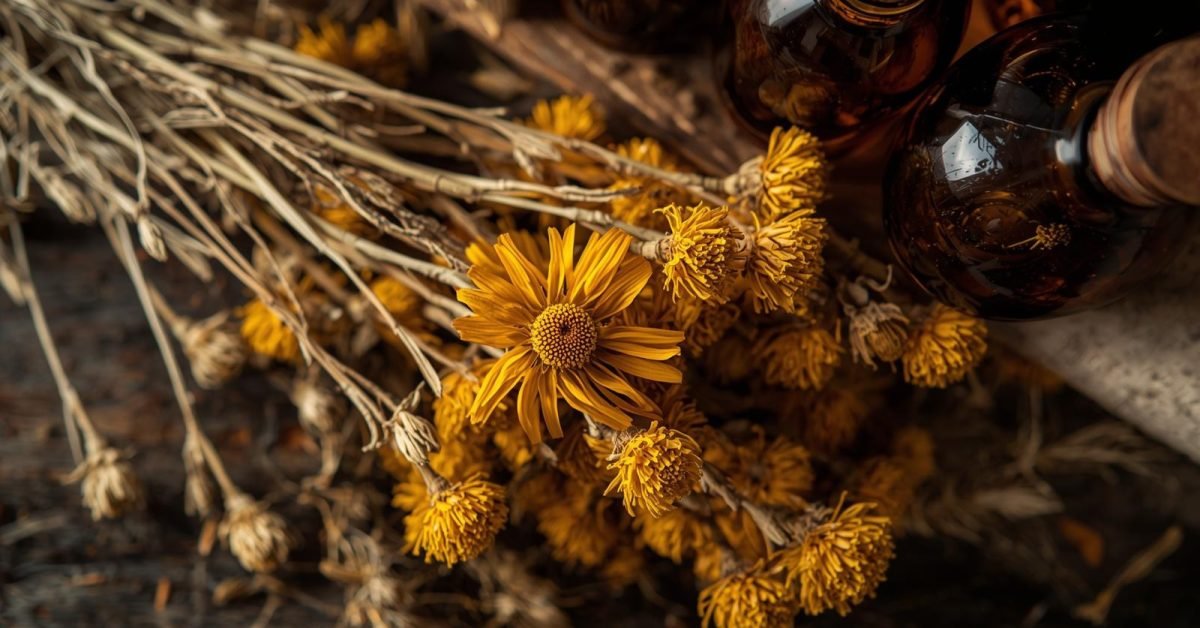
Overview
Arnica is a powerful traditional remedy best known for its ability to move stagnant blood, reduce inflammation, and speed healing after injury. It's a classic herb for trauma, and in modern herbalism it's used almost exclusively externally.
The flowers, and occasionally the roots, are the parts used in herbalism — most commonly in traditional European medicine and Western herbalism, where it remains a go-to first-aid herb for bruising and soft tissue injury.
Uses
External uses (primary)
- Bruises & contusions
- Sprains & strains
- Muscle soreness
- Joint pain
- Swelling & inflammation
- Post-exertion recovery
- Minor trauma (unbroken skin only)
- Circulation support — improves local blood flow and helps reduce clot formation
Internal use
Not recommended for internal use except under the supervision of a trained clinical herbalist. Oral ingestion can cause nausea, vomiting, diarrhea, dizziness, or heart irregularities.
What the research says
Topical arnica preparations have shown effectiveness in reducing bruising, pain, and inflammation in clinical studies. Oral use remains controversial due to potential toxicity and isn't recommended without professional supervision.
Active Compounds
Helenalin
The main sesquiterpene lactone responsible for arnica's anti-inflammatory and analgesic properties.
Flavonoids (quercetin, kaempferol)
Provide antioxidant and tissue-protective effects.
Volatile oils
Contribute to arnica's anti-inflammatory and antimicrobial activity.
How to Use Arnica
| Preparation | Benefits | How to use |
|---|---|---|
| Topical cream / gel | Bruises, sprains, sore muscles | Apply a thin layer to the affected area 2–3x daily. Do not use on broken skin. |
| Infused oil | Muscle soreness, joint pain | Massage into sore muscles or joints. Avoid open wounds. Use short-term only. |
| Salve / balm | Bruises, sore muscles | Apply 2–3 times daily. |
| Poultice | Bruises, swelling | Apply crushed flowers wrapped in a clean cloth to the area for 15–20 minutes. |
| Liniment / tincture (topical only) | Localized pain, bruising | Apply sparingly to unbroken skin. Do not occlude. |
| Homeopathic pellets | Minor injuries, inflammation | Follow packaging instructions; generally considered safe orally at homeopathic doses. |
Medication Interactions
Use caution if using topically while taking:
- Blood thinners (in cases of broken skin)
- Anti-inflammatory medications (monitor skin response)
Internal use may interact with:
- Cardiac medications
- Blood pressure medications
Contraindications
Do NOT use:
- Internally, unless professionally guided
- On broken skin or open wounds
- During pregnancy or breastfeeding
- If allergic to plants in the Asteraceae family (ragweed, daisies, marigolds)
- On infants or very young children
Caution & Safety
- External use only
- Prolonged use may cause skin irritation
- Discontinue if redness, itching, or rash occurs
- Never apply to damaged skin
Herbal Pairings
Blends well with
- Calendula (skin repair)
- Comfrey (bone & tissue support)
- St. John's Wort (nerve pain)
- Ginger (circulation)
- Cayenne (warming liniments)
- Lavender (calms skin irritation while reducing pain and inflammation)
Avoid combining with
- Other strong topical irritants in sensitive individuals
- St. John's Wort applied topically in sun-exposed areas — may increase photosensitivity
- Concentrated garlic preparations — may increase skin irritation when used together on wounds
Possible Side Effects
- Skin irritation
- Contact dermatitis
- Allergic reaction in sensitive individuals
Growing & Harvesting
Growing tips
- Soil: well-drained, slightly sandy or rocky soil
- Sunlight: full sun to partial shade
- Watering: moderate; avoid waterlogging
- Pruning: deadhead flowers to encourage more blooms and prevent self-seeding
Harvesting
- Harvest flowers during full bloom for maximum potency
- Dry flowers in a cool, dark, well-ventilated space before storage
Fun Facts & Folklore
- Arnica was used by Native Americans for bruises, aches, and snake bites.
- The plant is called "Leopard's Bane" because it was once believed to protect against wild animal attacks.
- Traditionally, arnica oil was rubbed on the battlefield to treat injuries.
Related Herbs
Grow your own apothecary — shop dried arnica flower for infusions, oils, and salves.
Shop Arnica at Homestead GardenerNotes
Arnica is a first-aid staple for physical trauma but demands respect. Used correctly, it's one of the most effective herbal allies for bruising and injury.
Want this as a printable reference?
Download the full Arnica herb sheet as a PDF to keep in your apothecary binder.
Download the Arnica Herb Sheet (PDF)For educational purposes only. Not intended to diagnose, treat, or cure any condition. Not a substitute for professional medical advice — consult your doctor or a certified herbalist before using arnica or any herb.