

Disclosure: Your Homestead Gardener is a participant in the Amazon Services LLC Associates Program. As an Amazon Associate, I earn from qualifying purchases. This means that if you click on a link and make a purchase, I may earn a small commission at no extra cost to you. Thank you for supporting Your Homestead Gardener!
A beginner’s guide to home gardening
Picture yourself outdoors, surrounded by the fragrance of blooming flowers and the fresh scent of soil. Science confirms that gardening is not just a hobby; it’s a therapeutic venture that allows you to destress and reconnect with nature. If you’re on a mission to trim your grocery bill while enjoying the taste of homegrown goodness, then home gardening is your green ticket.
For those new to this vibrant world, fret not! I’ll be your guide through the green labyrinth, from choosing the right plants and equipment to caring for your garden like a pro. So, whether you’re a complete novice or possess a secret green thumb, get ready to transform your backyard into a verdant haven.
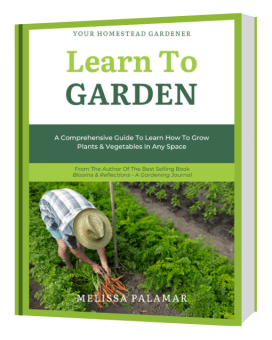
Want to learn how to grow like a Pro?
Unlock the secrets of a thriving garden! Enter your email below to get your FREE copy of ‘Learn to Garden‘ the essential guide that turns budding enthusiasts into green-thumb maestros. Let’s cultivate your gardening journey together, one leaf at a time!
Basic Equipment Needed for Home Gardening
To have a successful home garden, there are a few very basic pieces of equipment that are required. These include:
- A shovel: This is perhaps the most important tool for gardening, as it will be used for everything from digging holes for planting to turning over the soil.
- A hoe: A hoe is useful for breaking up clumps of dirt and weeds, as well as making furrows for planting seeds.
- A rake: A rake is necessary for leveling out the garden bed and removing debris.
- A Means To Water: Water is essential for plant growth, so a watering can, hose, or irrigation system will be needed to keep the plants watered.
- Gardening gloves: Gloves protect your hands from getting dirty and scratched while gardening.
Steps To Take To Start Gardening
Assuming you have a space to garden, the first step is to prepare the soil. This involves a few key steps:
- Remove any existing vegetation or debris from the space.
- Loosen the soil with a shovel or tiller.
- Add organic matter to the soil, such as compost or manure. This will help improve drainage and aeration.
- Test the pH of the soil and adjust accordingly. Most plants prefer slightly acidic soils with a pH between 6.0 – 7.0.
Once your soil is prepared, you can choose what plants you’d like to grow. If you’re starting from seed, you must purchase some good quality seedling mix and sow your seeds according to package directions. If you’re purchasing plants from a nursery, make sure to choose healthy specimens that are appropriate for your climate zone.
After planting, water regularly and fertilize as needed according to the manufacturer’s instructions. Be sure to keep an eye out for pests and diseases, and take action promptly if any problems arise. With a bit of care and attention, your garden will soon be thriving!
How To Choose The Right Vegetables For Your Garden
When starting a garden, choosing the right vegetables for your climate and space is important. Here are a few tips:
1. Decide what you want to grow. Do you want to grow vegetables for your family, or for sale? What kinds of vegetables do you like to eat?
2. Research what grows well in your area. Each vegetable has different needs in terms of sunlight, water, and soil type. Make sure you choose vegetables that will thrive in your area.
3. Consider your space. How much space do you have to dedicate to a garden? If you have limited space, consider growing vegetables that don’t require a lot of room (such as lettuce or radishes).
4. Think about when you want to harvest your crops. Some vegetables take longer to mature than others. If you want to enjoy fresh veggies all summer long, plant a mix of early-, mid-, and late-season varieties.
5. Don’t be afraid to experiment! Gardening is a trial-and-error process – so go ahead and try something new!
Benefits Of Growing Your Own Food
There are many benefits to growing your own food, including:
- You know exactly what you’re eating and where it came from.
- You can save money on groceries.
- You can get exercise and fresh air while working in the garden.
- Gardening can be a relaxing hobby.
- You can grow food year-round in some climates.
- Homegrown fruits and vegetables often taste better than store-bought ones.
Common Challenges New Gardeners Face
One of the most common challenges new gardeners face is knowing what to plant and when to plant it. The best way to overcome this challenge is by researching and planning ahead. There are many resources available that can help you determine what plants are best for your area and what time of year is best to plant them.
Another common challenge new gardeners face is dealing with pests and diseases. This can be a difficult task, but there are ways to prevent and control pests and diseases. Once again, doing some research ahead of time can help you identify potential problems and find solutions.
New gardeners often have trouble keeping their gardens healthy and thriving. This may be due to a lack of knowledge or experience, but it can also be caused by environmental factors such as drought or excessive heat. If you encounter problems with your garden, don’t hesitate to seek advice from more experienced gardeners or from extension agents.
Conclusion
Home gardening is a great way to get closer to nature and have the satisfaction of growing your own produce. With these beginner tips and tricks, you’ll be well on your way to becoming an expert gardener. Whether you are looking for seasonal vegetables or beautiful blooms, home gardening offers something for everyone at any level of expertise. So grab your tools and start getting creative in creating a garden that will bring joy into your life and nourish both physical health and mental wellbeing!
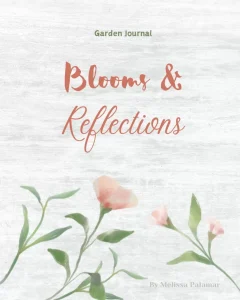
The Only Garden Journal You'll Ever Need!
Embark on a journey through the seasons with ‘Blooms and Reflections‘ your companion in cultivating the garden of your dreams. This beautifully crafted gardening journal unfolds over 91 pages, offering a comprehensive space for all your gardening aspirations and practical needs.


