
Making Lye from Wood Ash: The Real Chemistry Behind This Homestead Classic
It's not sodium hydroxide, and it won't make a hard bar of soap — but it's naturally suited to something else: real liquid hand soap.
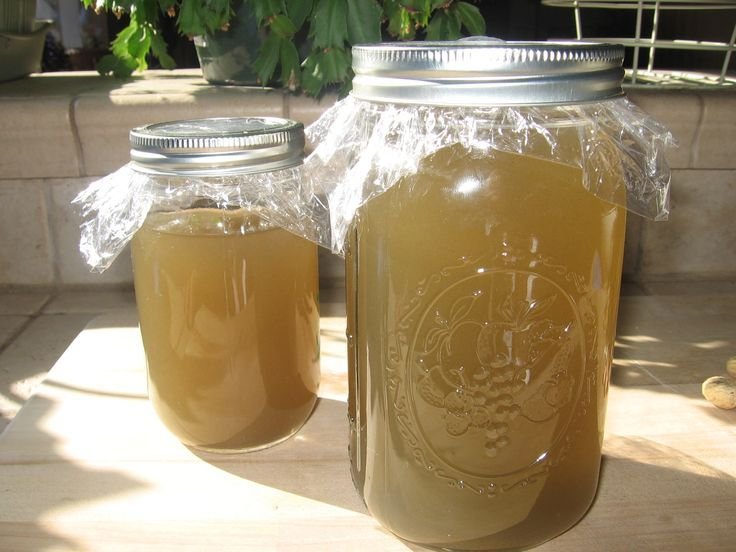
Making lye from wood ash is one of the oldest homestead skills there is, and it's a genuinely satisfying one to learn. But a lot of the instructions circulating online — including how this was originally written — mislabel exactly what you end up with, and that mislabeling causes real confusion once you try to use it for soap. Let's set the record straight on the chemistry, then walk through the process properly.
Correcting the record: wood ash lye is not sodium hydroxide (NaOH) — the lye most people picture and the type sold as soap-making lye today. Leached wood ash produces a solution that's mostly potassium carbonate, with the potential to become potassium hydroxide (KOH) if further processed with slaked lime. Sodium hydroxide and potassium hydroxide are both true "lyes," but they behave very differently in soap making — and wood ash simply doesn't contain the sodium needed to produce NaOH on its own.
What Wood Ash Lye Actually Is
Hardwood ash is rich in potassium carbonate — historically called "potash," which is literally where the name comes from (pot + ash, from the pots ashes were leached in). When you run water through wood ash, that potassium carbonate dissolves into the water, giving you a genuinely alkaline, caustic solution — just not the same one modern soap-making lye is made of.
To convert that leached solution into true potassium hydroxide (a stronger, more soap-ready alkali), traditional practice added slaked lime (calcium hydroxide) to the carbonate solution in a process called causticizing. This reaction swaps the carbonate for hydroxide and produces calcium carbonate as a byproduct, which settles out and gets filtered away, leaving a clearer, stronger potassium hydroxide lye behind.
Skipping the lime step — which is exactly what a simple ash-and-water leach does — still gives you a usable, caustic solution, just a weaker and less predictable one, made mostly of potassium carbonate rather than true hydroxide.
Materials Needed
- Hardwood ash: oak, beech, or maple work well. Avoid softwoods like pine — their resins interfere with the process and contribute far less potash.
- Leaching vessel: a container with drainage holes, like a wooden barrel or a dedicated plastic leaching container.
- Gravel or small stones: placed at the bottom to filter large particles and keep the drainage holes clear.
- Water: clean, ideally rainwater or distilled water.
- Collection vessel: glass or plastic, ideally with a spigot for easy collection.
- Optional, for stronger lye: food-grade slaked (hydrated) lime, if you want to causticize your leached solution into true potassium hydroxide.
How to Leach Lye from Wood Ash
- Collect ash. The more hardwood ash you gather, the more potash you'll have to work with.
- Layer the leaching vessel. Place about 2 inches of stones at the bottom, then alternate layers of ash and water until the container is filled.
- Let it leach. Allow the mixture to sit for several days as water percolates through the ash layers.
- Collect the solution. Open the spigot and collect the leached liquid in your glass or plastic vessel.
- Filter. Strain the collected solution through cheesecloth or fine mesh to remove remaining ash particles.
- Optional — causticize for stronger lye: stir in food-grade slaked lime, let the mixture settle so the calcium carbonate byproduct sinks, then carefully decant or filter off the clear liquid above it. This is the step that actually converts your solution into potassium hydroxide.
Testing Your Lye
The traditional feather, egg, or potato float test is a real historical method — but it's worth understanding what it actually tells you. Dropping in a fresh egg or a small raw potato and watching whether it floats with a small portion showing above the surface is a rough gauge of the solution's concentration and density, not a precise measurement of its exact strength or purity. It's a reasonable go/no-go check for traditional use, but it's not equivalent to knowing an exact concentration the way a purchased, labeled lye gives you.
Making Liquid Hand Soap from Wood Ash Lye
Correcting the record: wood ash lye will not produce a firm, cuttable bar of soap the way store-bought sodium hydroxide does. What it's naturally suited for — and has been used for historically — is liquid or soft soap. Potassium-based soap is still the basis of most commercial liquid hand soap today, so this isn't a workaround for the corrected chemistry; it's the process finding its proper, historically accurate endpoint.
Step 1: Boil the Soap Paste
The process starts the same way traditional soap has always been made: boil your fat and lye solution together for an extended period — often several hours — until the mixture saponifies and thickens into a soft paste. This is a slow simmer, not a quick room-temperature mix to trace.
Because wood ash lye's exact strength is unknown and varies batch to batch, a fixed recipe ratio can't guarantee identical results every time. Traditional soap makers adjusted by look and feel — a thick, uniform, soap-like paste with no separated fat floating on top is the visual cue you're looking for, built from experience over a few batches.
Step 2: Dilute to a Liquid Consistency
Once your paste has cooled slightly, this is where it becomes liquid hand soap rather than a stored soft-soap paste:
- Add hot water to the cooled paste gradually, a little at a time, stirring well between additions.
- Keep adding and stirring until you reach a pourable consistency — thinner for a runnier soap, less water for something closer to a gel.
- Let the diluted soap rest and cool completely before deciding if it needs further thinning; the texture can continue to change slightly as it sits.
Step 3: Check the pH Before Use
Since you can't know your wood ash lye's exact starting strength, it's worth confirming your finished liquid soap has settled into a normal, skin-safe pH range before regular use. A basic pH test strip (inexpensive and easy to find) is the simplest way to do this — you're looking for a result consistent with finished soap, not something still sharply caustic. If it tests unusually high, dilute further with additional water and retest.
Optional: Firming It Up Slightly
If you'd prefer something closer to a soft paste soap rather than a thin liquid, plain salt (sodium chloride) stirred in near the end of the boil — before dilution — will firm the mixture somewhat. The sodium in the salt partially replaces the potassium in the soap. It still won't become a hard bar, but it will thicken noticeably compared to the unsalted version.
If you want a reliably firm bar soap instead — especially one intended for regular skin use — the safer, more predictable route is store-bought, labeled sodium hydroxide measured through a lye calculator against your specific fat blend. Wood ash lye is a wonderful traditional skill and makes a genuinely useful liquid hand soap, but its unmeasured, variable strength makes it a poor match for precise, skin-safe bar soap recipes.
Other Traditional Uses for Wood Ash Lye
- Cleaning and degreasing: effective on tools and farm equipment when diluted appropriately.
- Unclogging drains: a strong lye solution can break down organic buildup — but use sparingly. Lye can soften or degrade ABS plastic piping over time, and the heat generated by the reaction can compound the effect, so use a weak dilution and don't rely on it as a routine drain treatment.
- Oven and grill cleaning: can help break down baked-on grease and residue.
- Paint stripping: breaks down the bonds in old paint, making it easier to remove.
A Word of Caution
Wood ash lye is genuinely caustic, whether or not it's been causticized into true hydroxide. Direct contact can cause serious skin and eye burns, and fumes can irritate the respiratory system. Always wear gloves and eye protection, work in a well-ventilated area, and keep it well out of reach of children and pets. If skin contact occurs, rinse thoroughly and seek medical attention if irritation persists.
The Bottom Line
Making lye from wood ash is a genuinely worthwhile traditional skill — but it's most useful when you go in with accurate expectations. It's a potassium-based lye, not sodium hydroxide, and it's naturally suited to a real, usable liquid hand soap, not a firm bar. That's a feature of doing it the historically accurate way, not a shortcoming. If you want the traditional experience and a genuinely useful liquid soap, this process delivers exactly that. If you want a consistent, firm bar for daily skin use, measured sodium hydroxide and a proper lye calculator will get you there far more reliably.
Lye, in any form, is a caustic substance. This article is for educational and traditional-skill purposes; always follow proper safety precautions when handling lye of any kind.
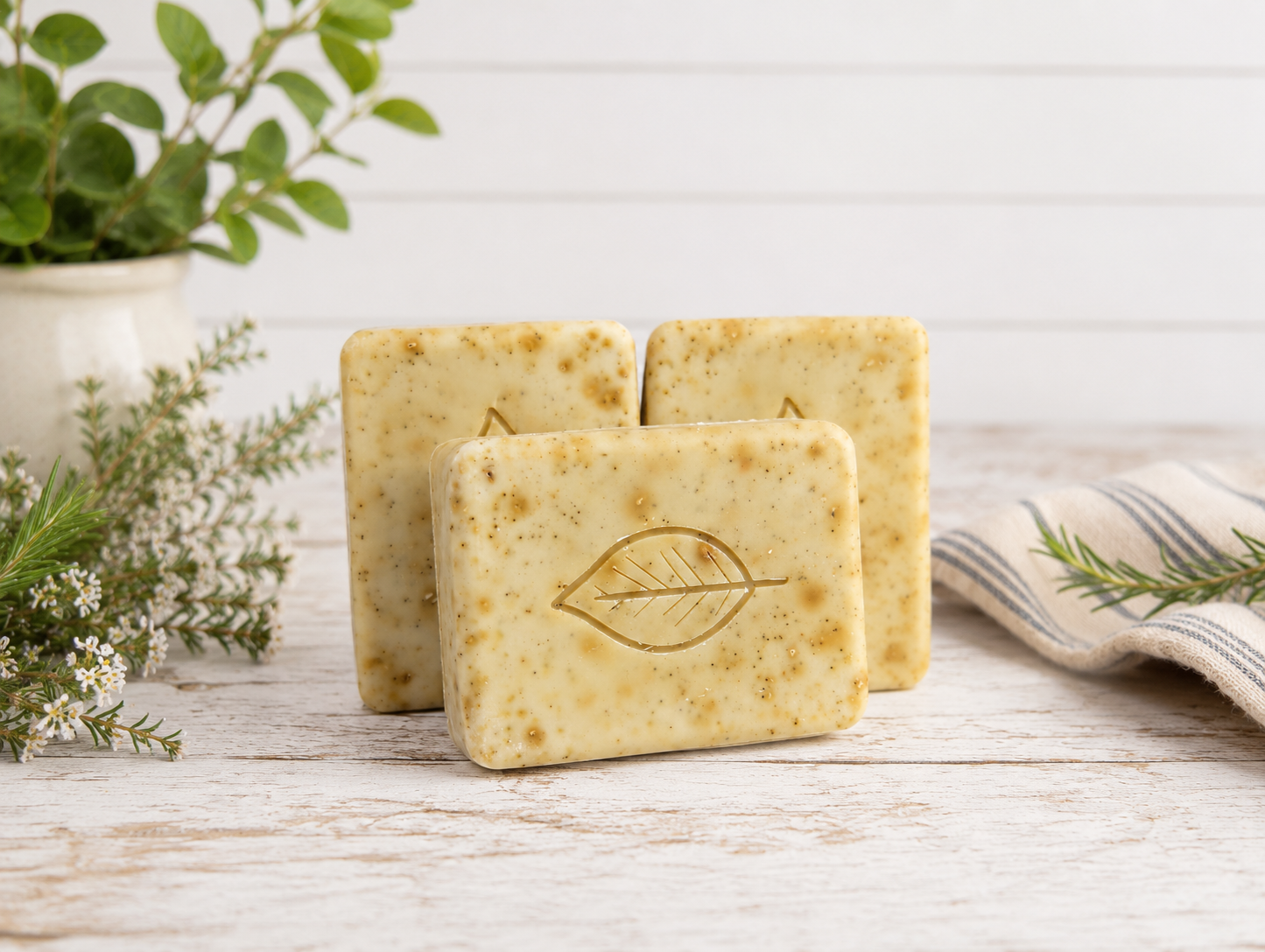
Handcrafted Tallow Soap
Infused with luxurious vanilla beans for a gentle, nourishing cleanse. Made with natural ingredients, each bar soothes, exfoliates, and leaves your skin feeling soft and refreshed.
Order Yours Today

