
What Is a Poultice? A Natural Remedy for Healing
One of the oldest tools in herbal medicine — a simple herbal bandage you can make with what's already in your kitchen or garden.
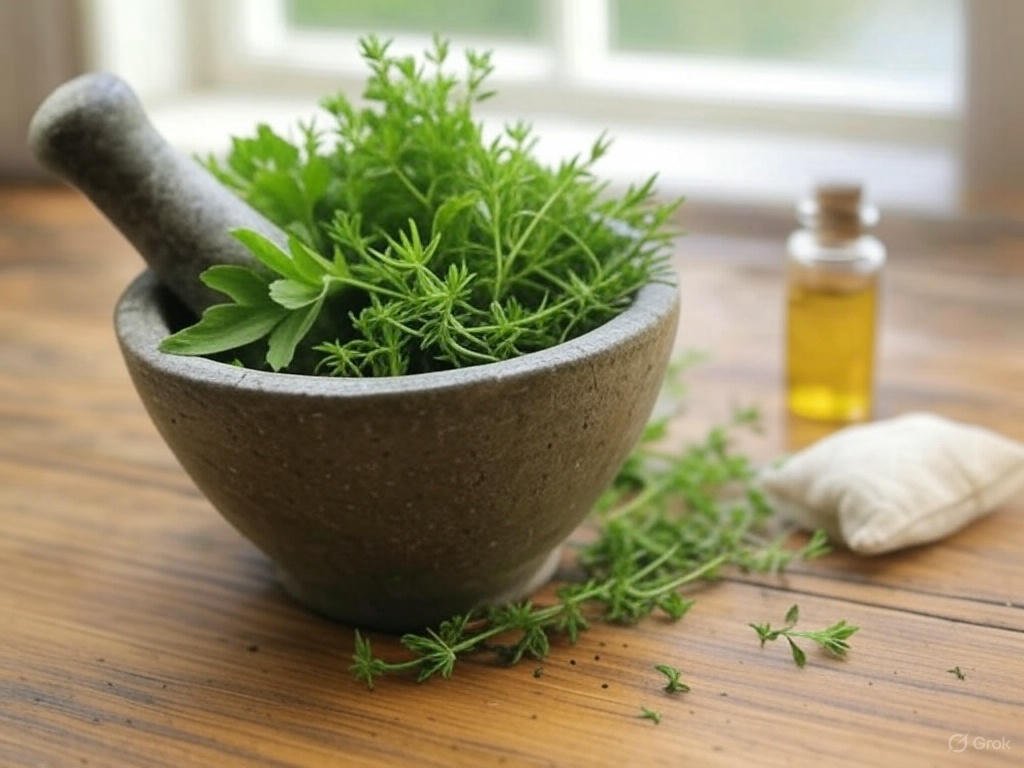
For centuries, people have turned to nature for remedies to soothe ailments, heal wounds, and reduce inflammation. One of the most time-honored methods is the poultice — a simple, effective way to apply herbal or natural ingredients directly to the skin. Whether you're a homesteader, an herbal enthusiast, or just curious about natural healing, learning to make a poultice gives you a genuinely useful tool for minor, everyday health issues, using things you likely already have on hand.
What Is a Poultice?
A poultice is a moist, soft mixture of herbs, clay, or other natural substances applied directly to the skin, typically held in place with a cloth or bandage — think of it as a "herbal bandage" that delivers the healing properties of its ingredients right where they're needed. Poultices have been used across cultures for centuries, from ancient Egypt to Native American traditions, to treat everything from infections to muscle aches.
Unlike teas or tinctures, which work internally, a poultice works externally, targeting a specific area of the body directly — no fancy equipment or advanced knowledge required.
What Does a Poultice Actually Do?
Draw Out Irritants
Traditionally used to help draw out splinters or pus from a minor infection.
Reduce Inflammation
Applied to swollen or irritated skin, certain herbs can help calm redness and puffiness.
Relieve Discomfort
Some herbs can ease the ache of bruises, sprains, or sore muscles.
Support Healing
By improving local circulation, poultices can support the skin's own recovery from minor cuts or abrasions.
Soothe Skin Irritation
Often used for rashes or minor skin irritation to help ease itching.
The specific effect depends entirely on which herb or ingredient you choose — covered in detail below.
How Does It Actually Work?
A poultice's effect comes down to a few straightforward mechanisms:
- Heat and moisture — warmth (if applied warm) and moisture can help improve local circulation, allowing the compounds in the herbs to interact more effectively with the skin.
- Direct, local delivery — the ingredients contact the affected area directly, without passing through the digestive system, for faster, localized effects.
- Absorption and drawing action — some poultices (like activated charcoal) are traditionally used for their drawing action, while others, like anti-inflammatory herbs, work by direct skin contact.
Worth being precise about: activated charcoal's toxin-binding ability is well-established when it's swallowed, working in the digestive tract. Its effectiveness as a topical "drawing agent" pulling toxins or venom out through intact skin has much weaker scientific support — it's a long-standing traditional use, not a proven mechanism the way its internal use is. Worth trying as part of traditional practice, but not something to rely on for a genuinely serious bite or sting.
What You Need to Make a Poultice
- Base ingredient: fresh or dried herbs, clay, activated charcoal, or even grated vegetables like potato or onion.
- Liquid: water, herbal tea, or oil to moisten the mixture. Warm water works well — avoid boiling water on fresh herbs, since high heat can degrade some of their beneficial compounds.
- Binding material: a clean cloth, gauze, or bandage to hold everything in place. Natural, breathable fabric is preferred over plastic wrap.
- Tools: a mortar and pestle, blender, or just your hands to mash the ingredients, plus a bowl and spoon.
- Optional add-ins: honey (antibacterial properties), aloe vera (soothing), or a small amount of essential oil — always diluted, never applied neat.
The Best Herbs for a Poultice
Plantain
Plantago majorAnti-inflammatory and antimicrobial, and traditionally excellent for drawing out irritants. In a pinch, fresh leaves can be chewed briefly to help release their juices before applying.
Comfrey
Symphytum officinaleKnown as "knitbone," comfrey contains allantoin, a compound that supports skin cell growth and repair.
Important safety note: comfrey contains pyrrolizidine alkaloids (PAs), compounds linked to liver toxicity with excessive or prolonged exposure. Use comfrey only on unbroken, intact skin, for short durations — never on open wounds, broken skin, or internally. It also heals skin surface quickly, which can trap infection underneath if used on a wound that isn't fully clean, so it's best reserved for bruises and closed injuries, not open cuts.
Calendula
Calendula officinalisAnti-inflammatory and antiseptic, and gentle enough for sensitive skin.
Yarrow
Achillea millefoliumTraditionally used as a styptic to help slow minor bleeding, alongside mild antiseptic properties.
Activated Charcoal
Not an herb, but a common additionWell-documented for binding toxins when taken internally; its topical drawing effect through skin is a long-standing traditional use rather than a strongly evidenced mechanism.
Ginger
Zingiber officinaleIts warming properties can help stimulate local blood flow and ease stiffness.
Patch test first: fresh ginger applied directly to skin can cause a noticeable burning sensation or irritation in sensitive individuals — test on a small area before applying broadly, and never on broken skin.
Fresh herbs are ideal since their natural moisture aids application, but dried herbs work well too — just rehydrate with warm water or tea. Always research an herb's safety profile before use, and use particular caution during pregnancy, while nursing, or when treating children.
How to Make and Apply a Poultice
Prepare the herb
If using fresh herbs, chop or mash the leaves into a paste. If using dried herbs, grind them into a powder and mix with warm water until thick but spreadable.
Mix to the right consistency
Add just enough liquid to form a cohesive, moist mass — aim for an oatmeal-like texture. Add honey or a carrier oil if desired.
Apply it
Spread the mixture directly onto the skin, or onto a clean cloth first, then press it gently against the affected area.
Secure and wait
Wrap with a bandage or cloth to hold it in place. Leave on anywhere from 20 minutes to a few hours depending on the condition, checking the skin periodically for any irritation.
Remove and clean
Gently rinse the area with warm water and pat dry. Repeat once or twice daily as needed.
When Not to Use a Poultice
A poultice is a genuinely useful tool for minor, everyday issues — but it isn't the right tool for everything. Seek medical attention rather than relying on a poultice alone if you notice:
- A deep or puncture wound, rather than a minor cut or scrape
- Spreading redness, red streaking, increasing pain, fever, or pus that suggests a worsening infection
- A wound that isn't fully clean before covering it with a poultice
- Any signs of an allergic reaction — increased swelling, hives, or difficulty breathing
- A bite from a venomous insect or animal, where prompt medical care matters more than a home remedy
Keeping Poultice Ingredients Ready When You Need Them
- Grow your own: plantain, comfrey, and calendula are hardy, low-maintenance, and easy to keep on hand.
- Harvest and dry: pick herbs at peak potency (often mid-morning, once dew has dried), then air-dry on a screen or in hanging bundles. Store in airtight jars, away from light and heat.
- Pre-make dried mixes: grind dried herbs like yarrow or calendula into a powder and store labeled and ready to go.
- Keep a small kit handy: gauze, clean cloths, a mortar and pestle, and honey or aloe vera gel, stored somewhere cool and dry.
- Learn to identify local plants: plantain in particular grows wild in most areas — learning to recognize it means you're rarely without options.
Prefer ready-to-use herbs for your own poultices and remedies? Shop our bulk herbs, sourced and dried with care.
Shop Our Bulk HerbsFinal Thoughts
Poultices are a beautiful blend of simplicity and tradition, offering a direct line to nature's healing potential for minor, everyday needs. Whether you're soothing a scraped knee with plantain or easing sore muscles with ginger, this centuries-old remedy is as relevant today as ever — as long as it's used with a clear understanding of what it can do, and just as importantly, what it can't.
This post is for educational purposes only and is not a substitute for medical advice. Consult a healthcare professional for serious wounds, signs of infection, or if you're unsure about using any herb.

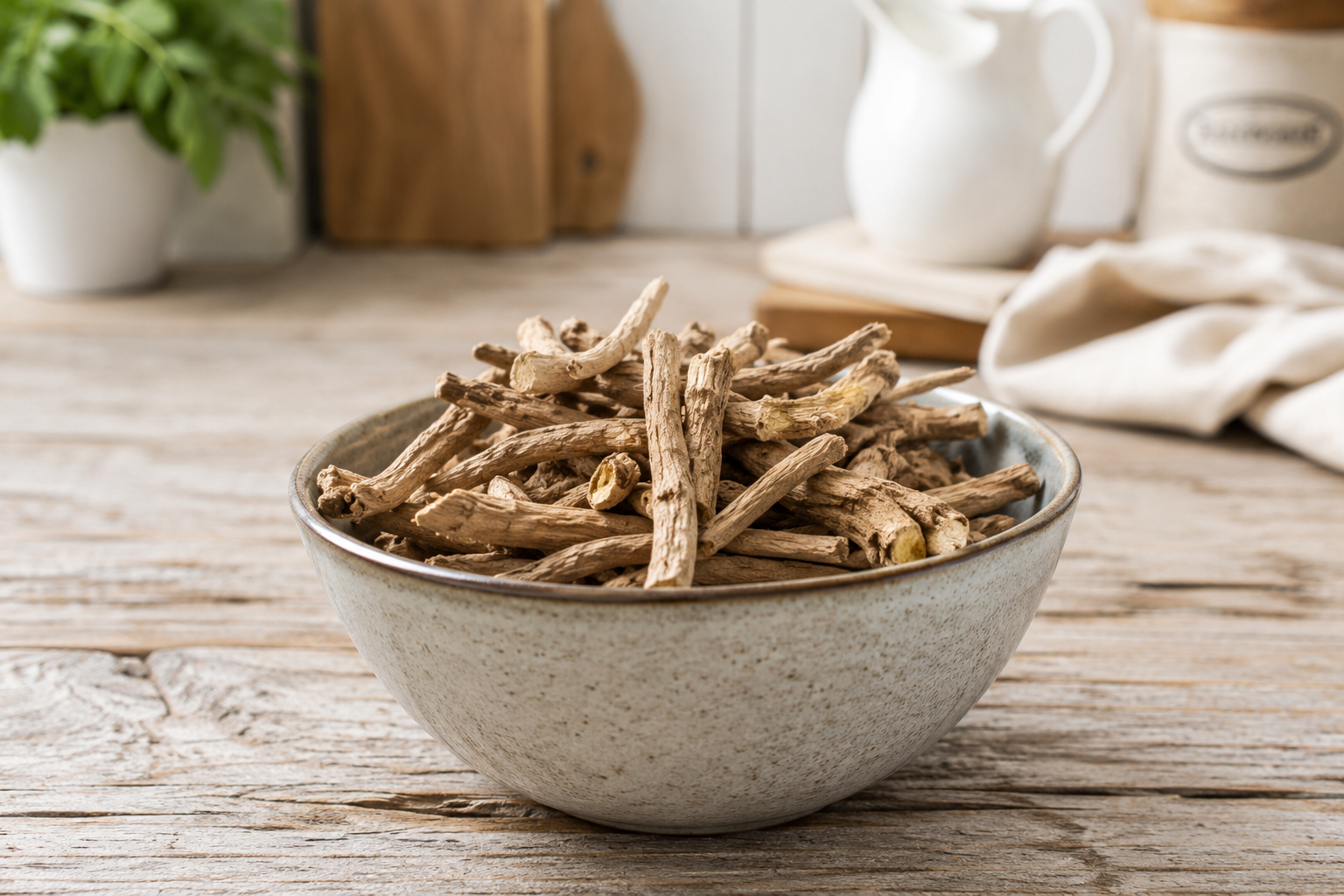
Bulk Herbs, Ready for Your Apothecary
Stock your shelves with quality dried herbs — sourced and stored with care, ready for teas, tinctures, poultices, and every remedy in between.
Shop Bulk Herbs

