
Disclosure: Homestead Gardener is a participant in the Amazon Services LLC Associates Program. I earn from qualifying purchases. This means that if you click on a link and make a purchase, I may earn a small commission at no extra cost to you. Thank you for supporting Homestead Gardener!
There’s a quiet assumption baked into how most of us think about herbal medicine: that it comes in a mug. Hot water, dried herbs, ten minutes of steeping, and a warm cup you wrap your hands around. And for much of the year, that ritual is exactly right — warming, grounding, deeply nourishing.
But when it’s July, and it’s 100 degrees in the shade, the last thing you want is hot chamomile tea.
This is one of the most common points of friction I see in herbal practice — people who understand the value of nervine herbs, who want to support their nervous system through the long, over-stimulated days of summer, but who simply can’t face another steaming mug when the air conditioner is working overtime just to keep the house relatively cool compared to outside.
Here’s what I want you to understand: the herbs don’t care if the water is hot or cold. The therapeutic constituents in nervine herbs — the flavonoids, the volatile oils, the rosmarinic acids, the apigenins — are water soluble. They infuse into cold water too, just more slowly. And when you make a concentrated hot brew, strain it, and chill it down, you carry every bit of that medicine into your glass of ice-cold lemonade.
Herbal lemonade isn’t a compromise. It’s a delivery system.
Cold herbal preparations have a long and legitimate history in herbal traditions. Shrubs, switchels, herb-infused cold waters, and fermented herbal tonics appear throughout European folk medicine, Ayurvedic practice, and traditional American herbalism going back centuries. The idea that herbal medicine must be consumed hot is a relatively modern and frankly limiting assumption.
This recipe was built to dissolve that assumption completely — and to give you a glass of something genuinely delicious that does real, meaningful work on your nervous system while you sit on the porch and watch the heat shimmer off the driveway.

The Herbs: Herbal Lemonade Built for Summer
Every herb in this formula was chosen for two things: what it does therapeutically, and how it behaves in a cold citrus drink. These are not random additions. This is a considered nervine formula that happens to taste like lemonade.
Lemon Balm (Melissa officinalis) — 3g
Lemon balm is the cornerstone of this blend, and honestly, it’s hard to imagine a more perfectly suited herb for a summer nervine lemonade. It is cooling in its energetics, lemony in its flavor profile, and deeply calming in its action — as though it was purpose-built for this recipe.
In traditional European herbalism, lemon balm has been used for over 2,000 years as a remedy for anxiety, nervous tension, insomnia, and what the old herbalists called “melancholy of the heart.” Avicenna wrote of it in the 11th century. Paracelsus considered it among the most valuable of all plants. Culpeper described it as “driving away all troublesome cares and thoughts out of the mind, arising from melancholy.” The tradition is remarkably consistent across centuries and cultures: this plant calms an overactive nervous system.
Modern phytochemistry gives us a clear mechanism. Lemon balm is rich in rosmarinic acid, a potent antioxidant that inhibits the enzyme GABA transaminase — the enzyme responsible for breaking down GABA (gamma-aminobutyric acid) in the brain. By slowing that breakdown, lemon balm allows GABA to remain active in the nervous system longer. GABA is the primary inhibitory neurotransmitter — it is, essentially, the brain’s natural “slow down” signal. This is the same pathway targeted by pharmaceutical anxiolytics, though lemon balm works gently and without the dependency concerns associated with those medications.
Clinical research has confirmed what herbalists have observed for millennia. Studies have shown that lemon balm supplementation significantly reduces anxiety and improves mood in stressed adults, with measurable effects on cortisol and on self-reported markers of calm and alertness. One particularly notable 2014 study published in Nutrients showed that lemon balm improved mood and cognitive performance under stress conditions.
In this lemonade, lemon balm also works as a flavor bridge — its natural citronellal content reinforces the lemon character of the drink, making the whole formula taste more cohesive and refreshing than it would without it.
Chamomile (Matricaria chamomilla) — 2g
Chamomile is perhaps the most universally recognized nervine herb in Western herbal tradition, and its reputation is thoroughly earned. It has been used medicinally for at least 5,000 years, appearing in ancient Egyptian, Greek, Roman, and medieval European herbalism. Its range of action is broad — it is an anxiolytic, antispasmodic, anti-inflammatory, and gentle digestive — but for the purposes of this formula, we are drawing primarily on its profound nervine and anxiolytic properties.
The key constituent is apigenin, a flavonoid that binds directly to GABA-A receptors at the benzodiazepine binding site. This is a well-characterized mechanism of action. Apigenin essentially occupies the same receptor site as pharmaceutical anti-anxiety drugs, producing a calming, mildly sedating effect without those drugs’ associated risks. Chamomile also contains bisabolol and chamazulene, which contribute to its anti-inflammatory and antispasmodic actions — particularly relevant for the physical manifestations of anxiety, including muscle tension and digestive upset.
Clinical research on chamomile is among the strongest available for any nervine herb. A 2016 long-term study published in Phytomedicine demonstrated that chamomile extract significantly reduced generalized anxiety disorder (GAD) symptoms during treatment, and — critically — significantly reduced relapse rates after treatment concluded. This suggests chamomile has a meaningful, lasting effect on anxiety regulation, not merely a temporary calming action.
In terms of flavor and energetics, chamomile is cooling and mildly bitter-sweet, with a distinctive apple-honey character that integrates beautifully into a citrus base. It softens the edges of the blend without muddying it.
Butterfly Pea Flower (Clitoria ternatea) — 3g
Most people who encounter butterfly pea flower today encounter it as a novelty — the color-changing tea that goes viral on social media. What often goes unmentioned is that this plant has a deep and serious history in Ayurvedic medicine, where it is known as Shankhpushpi and has been used for over 3,000 years as a nervine tonic, nootropic, and adaptogenic herb.
In Ayurvedic tradition, shankhpushpi is classified as a medhya rasayana — a category of herbs specifically used to enhance mental clarity, calm the mind, support memory, and reduce the effects of stress on cognitive function. It is one of the four herbs most commonly cited in classical Ayurvedic texts for the enhancement of intelligence and reduction of mental fatigue. This is not a minor mention — it occupies a central position in traditional mental health herbalism within that system.
Phytochemically, butterfly pea flower is rich in ternatins (a class of anthocyanins), along with quercetin, kaempferol, myricetin, and p-coumaric acid. These flavonoids have demonstrated anxiolytic, antidepressant, and nootropic effects in preclinical research. The anthocyanins in particular have been studied for their ability to cross the blood-brain barrier and exert neuroprotective and mood-supporting effects.
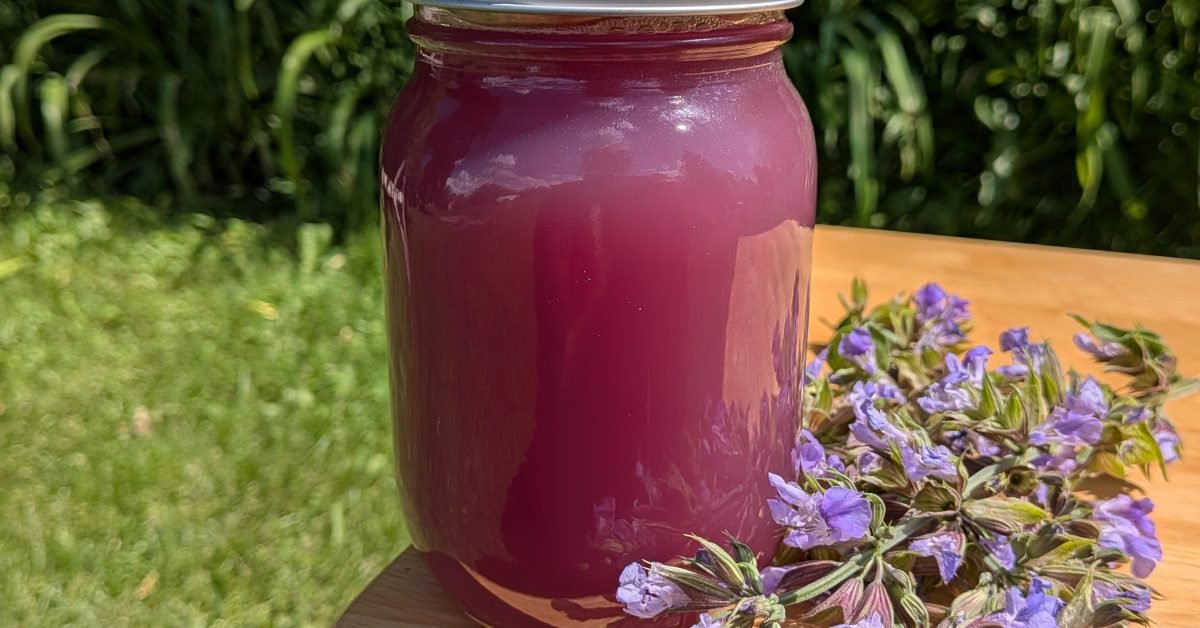
Butterfly pea also plays the starring visual role in this recipe — and that chemistry is worth understanding. Its anthocyanins are pH-sensitive, meaning they change color in response to acidity. Brewed in neutral water, they appear deep indigo-blue. Add lemon juice — which is acidic — and the molecules shift their structure, reflecting light differently and turning a vivid violet-purple right in the glass. It is one of the most beautiful demonstrations of plant chemistry you will ever witness in a kitchen.
Linden Flower (Tilia cordata / T. platyphyllos) — 1.5g
Linden flower — called Tilleul in French herbal tradition and Lindenblüte in German — is one of the most beloved and widely used nervine herbs in European herbal medicine, and arguably the most underappreciated in North American herbal practice. If lemon balm is the workhorse of this formula, linden is its heart.
Traditionally, linden flower has been used across Central and Western Europe for anxiety, nervous tension, stress-related hypertension, restlessness, and insomnia. In France particularly, a cup of tilleul after dinner is as culturally common as chamomile tea in other parts of the world — it is considered a gentle, reliable support for the nervous system at the end of a long day. German herbalism, codified most thoroughly through the work of commission E (Germany’s regulatory body for medicinal herbs), acknowledges linden’s traditional use for nervous disorders and mild anxiety.
Linden’s active constituents include tiliroside and quercetin (flavonoids with documented anxiolytic action), hesperidin, kaempferol, and a complex of volatile oils and mucilaginous compounds that give the flower its characteristic soothing quality. The flower also has mild diaphoretic (sweat-inducing) properties, which connects interestingly to its use in summer: in traditional practice, diaphoretic herbs help the body regulate its response to heat, making linden a genuinely season-appropriate choice beyond its flavor contribution.
In flavor, linden flower is honey-sweet and softly floral, with almost no bitterness. It is one of the most pleasant-tasting herbs in the nervine category, and it integrates into a lemonade base without effort or disguise.
Tulsi / Holy Basil (Ocimum tenuiflorum) — 0.5g
Tulsi is not merely an herb in Ayurvedic tradition — it is considered a sacred plant, the “Queen of Herbs,” a manifestation of the divine in botanical form. It has been cultivated and revered in India for over 3,000 years, and its medicinal applications are as diverse as its cultural significance is profound. For the purposes of this formula, we are drawing on its identity as a premier adaptogen — an herb that helps the body build resilience to stress rather than simply masking the symptoms of it.
Adaptogens work differently from acute nervines. Where herbs like lemon balm and chamomile act relatively quickly to calm an already-activated nervous system, adaptogens work over time to regulate the underlying stress response — modulating cortisol levels, supporting adrenal function, and building what traditional Ayurvedic medicine describes as ojas, a quality of vital resilience and deep health. Regular use of tulsi is associated in both traditional literature and modern research with reduced cortisol, improved stress tolerance, enhanced cognitive function, and a sense of steady, grounded energy.
Key constituents include eugenol, rosmarinic acid (shared with lemon balm — a lovely synergy), ursolic acid, and ocimumosides, compounds that have demonstrated adaptogenic activity in animal models by reducing corticosterone levels under stress conditions. Human clinical trials on tulsi have shown improvements in cognitive function, reduction of anxiety and depression symptoms, and normalization of stress biomarkers.
Tulsi contributes a subtle, complex flavor to this blend — slightly peppery, faintly clove-like, warm at the edges. We use it in a small amount precisely because its flavor is assertive. Even at 0.5g it makes its presence known in a way that adds intrigue to the lemonade profile without pulling the drink away from its citrus foundation.
Dried Lemon Slices — 3g
Lemon (Citrus limon) does more than add flavor here. The whole dried slice — rind, pith, and flesh — contributes limonene and other citrus bioflavonoids from the rind, which have documented anxiolytic and mood-lifting properties of their own. Limonene in particular has been studied for its ability to reduce anxiety via serotonin and dopamine signaling pathways. The rind also releases its essential oils during the simmer, creating a more complex and aromatic lemon character than juice alone can provide.
Dried lemon slices steeped in the hot water extract those volatile oil compounds before any acidification occurs, carrying them into the base of the drink.
Culinary Lavender (Lavandula angustifolia) — 0.3g
Lavender’s reputation as a nervine herb spans every herbal tradition that encountered it. In European herbalism, lavender water, lavender sachets, and lavender tinctures have been used for centuries to address anxiety, nervous exhaustion, headaches, and insomnia. The Romans added it to their baths for its calming properties — the word lavender itself derives from the Latin lavare, to wash.
The primary active constituents, linalool and linalyl acetate, both act on GABA-A receptors — adding a third mechanism of GABA support to this formula, alongside the apigenin from chamomile and the rosmarinic acid from lemon balm. Linalool has also demonstrated inhibitory activity at glutamate receptors, reducing neuronal excitability through a secondary pathway. Clinically, oral lavender preparations have been studied extensively for anxiety, and the German pharmaceutical lavender oil preparation Silexan has demonstrated efficacy comparable to lorazepam in clinical trials for generalized anxiety — a remarkable finding for a herbal constituent.
In this recipe, lavender is present in the smallest amount of any herb (0.3g) for an important reason: in a cold citrus drink, lavender crosses from beautifully floral to unpleasantly soapy very quickly. This amount contributes a soft, aromatic back note that completes the herbal profile without overwhelming it.
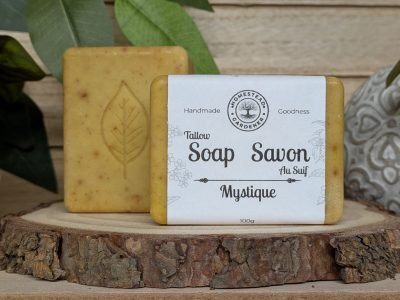
Handcrafted Tallow Soap
Our handcrafted tallow soap is infused with luxurious vanilla beans for a gentle, nourishing cleanse. Made with natural ingredients, each bar soothes, exfoliates, and leaves your skin feeling soft and refreshed. Treat your skin to the ultimate in natural care!
The Formula at a Glance
Makes approximately 1.2 liters — 4 generous servings. A kitchen scale is essential for accuracy with these herb weights.
| Herb | Amount |
|---|---|
| Lemon balm (dried) | 3g |
| Chamomile flowers (dried) | 2g |
| Butterfly pea flower (dried) | 3g |
| Linden flower (dried) | 1.5g |
| Tulsi / holy basil (dried) | 0.5g |
| Dried lemon slices | 3g |
| Lavender, culinary (dried) | 0.3g |
Base & Sweetener
| Ingredient | Amount |
|---|---|
| Filtered water (for steeping) | 400ml |
| Filtered water (cold, to finish) | 700ml |
| Granulated cane sugar | 50g |
| Fresh lemon juice | 120ml |
| Fine sea salt | 0.3g |
The Method
Step 1 — The Decoction Combine all herbs and dried lemon slices in 400ml of cold filtered water in a small saucepan. Bring to the gentlest possible simmer over low heat — barely a bubble. Hold there for exactly 10 minutes.
This is technically a light decoction. Keep the heat low and controlled: a hard boil drives off the volatile aromatic oils and pulls bitter tannins from chamomile and lemon rind that will fight the lemonade flavor you’re building.
Step 2 — Strain and Sweeten Remove from heat and strain immediately through a fine mesh strainer or cheesecloth, pressing gently to extract the last of the liquid. While hot, stir in 50g of sugar and 0.3g of sea salt until fully dissolved. The small amount of salt rounds out the sweetness and lifts the herbal flavors — do not skip it.
Step 3 — Chill the Concentrate Pour into a pitcher, add 700ml of cold filtered water, and refrigerate until completely cold — at least 1 hour. The liquid will be a deep, vivid indigo blue. This is the butterfly pea anthocyanins at neutral pH.
Step 4 — The Pour Once cold, add 120ml of fresh lemon juice and stir. The anthocyanins respond to the acidic lemon juice and shift from blue to violet-purple — the same phytochemistry discussed above, visible in real time. Pour over ice and serve immediately.
Always add the lemon juice fresh at serving. It keeps the color-change effect intact and maintains the brightness of the drink. This will keep in the fridge for up to 5 days.
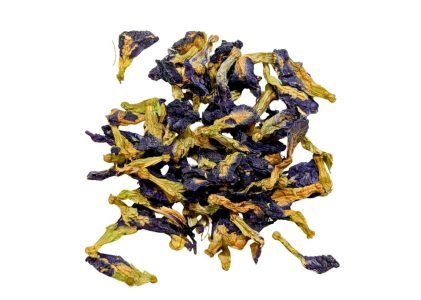
Ethically Sourced Herbs
You’ll find every herb in this blend at Homestead Gardener, sourced to the standard a practicing herbalist actually demands — clean, chemical-free, and dried at peak potency. We don’t carry herbs we wouldn’t use ourselves, and that means no synthetic sprays, ever. Quality in, quality out.
A Note on Sourcing
The quality of dried herbs varies enormously. For a formula like this — where the herbs are the medicine as much as the flavor — freshness and sourcing matter. Herbs that have been sitting in a warehouse for two years retain little of their therapeutic value, however lovely they smell in the bag.
All of the herbs in this formula are available at Homestead Gardener, where we source with the same intention we bring to everything we grow. These are the herbs we use ourselves.
The information in this post reflects traditional and historical herbal use and is offered for educational purposes from a trained herbalist’s perspective. As always, consult with your herbalist or healthcare provider before beginning any herbal protocol, especially if you are pregnant, nursing, taking pharmaceutical medications, or managing a health condition.


