
Disclosure: Your Homestead Gardener is a participant in the Amazon Services LLC Associates Program. I earn from qualifying purchases. This means that if you click on a link and make a purchase, I may earn a small commission at no extra cost to you. Thank you for supporting Your Homestead Gardener!
Valerian Root (Valeriana officinalis)
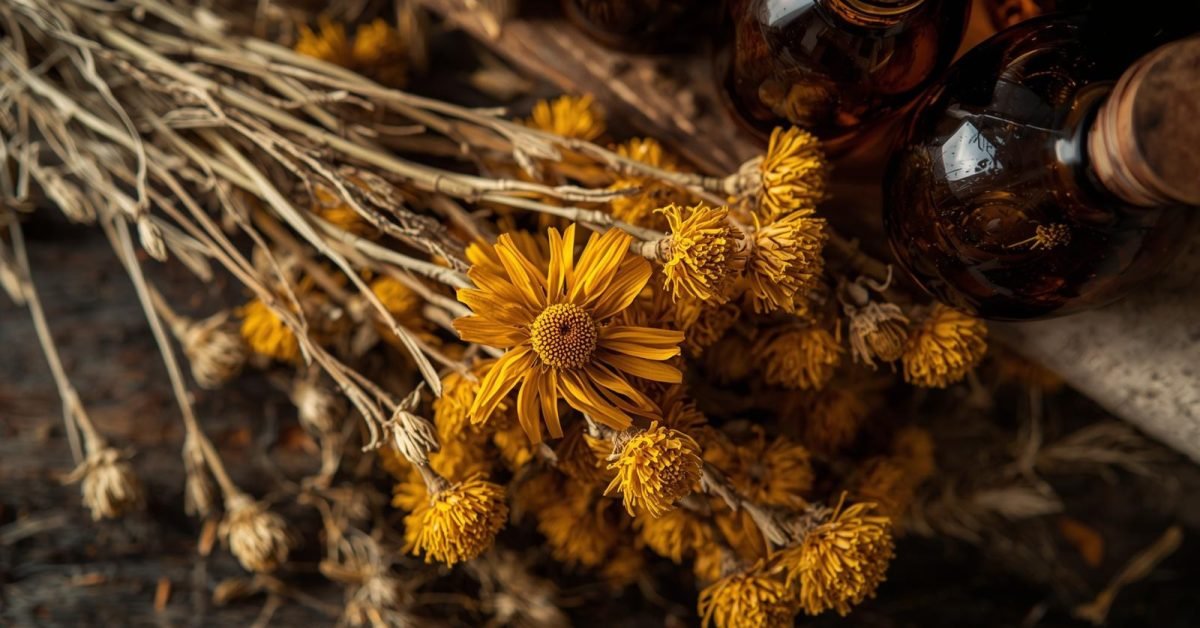
Arnica (Arnica montana)
Common Name: Arnica, Mountain Tobacco, Leopard’s Bane
Scientific Name: Arnica montana
Native To: Europe, North America (introduced)
Hardiness Zone: 3-7
Plant Type: Perennial
Best Grown In: Rocky or well-drained soil, full sun to partial shade
Traditional & Medicinal Uses
🌿 Parts Used in Herbalism: Flowers, occasionally roots
📜 Used In: Traditional European medicine, Western herbalism
Pain Relief: Commonly used topically for bruises, sprains, sore muscles, and inflammation.
Anti-inflammatory: Helps reduce swelling and tissue damage.
Wound Healing: Traditionally applied to minor cuts and abrasions (topically only).
Circulation Support: Improves local blood flow and reduces blood clot formation.
📝 Scientific Studies:
Topical arnica preparations have shown effectiveness in reducing bruising, pain, and inflammation in studies. Oral use is controversial due to potential toxicity and is not recommended without professional supervision.
Sleep Better, Stress Less – Try Valerian Root Today!

Experience deep relaxation and natural sleep support with high-quality valerian root—perfect for teas, tinctures, and herbal blends.
Shop NowPrecautions & Potential Dangers
Who Should Avoid: Pregnant or breastfeeding women, people with broken skin (oral ingestion can be toxic), those with allergies to Asteraceae family plants (e.g., ragweed, daisies, marigolds).
Potential Dangers: Oral ingestion may cause nausea, vomiting, diarrhea, dizziness, or heart irregularities. Only topical use on intact skin is generally considered safe.
Disclaimer: I am not a doctor. This site is for educational purposes only. Consult your doctor or a certified herbalist before using Valerian Root or any herb.
Herbal Synergies
These herbs enhance Arnica’s effects when used topically:
Comfrey (Symphytum officinale): Supports tissue repair and reduces swelling.
Calendula (Calendula officinalis): Soothes skin and promotes healing.
Lavender (Lavandula angustifolia): Reduces pain and inflammation while calming skin irritation.
Herbs to Avoid Combining
These herbs may counteract or dangerously interact with Arnica:
St. John’s Wort (Hypericum perforatum): Can increase photosensitivity when applied topically.
Garlic (Allium sativum, in concentrated form): May increase skin irritation when used together on wounds.

Active Compounds
Helenalin: Main sesquiterpene lactone responsible for anti-inflammatory and analgesic properties.
Flavonoids (e.g., quercetin, kaempferol): Provide antioxidant and tissue-protective effects.
Volatile Oils: Contribute to anti-inflammatory and antimicrobial activity.
How to Use Arnica
| Preparation Method | Benefits | How to Use |
|---|---|---|
| Topical Cream / Gel | Bruises, sprains, sore muscles | Apply a thin layer to affected area 2-3x daily. Do not use on broken skin. |
| Infused Oil | Muscle soreness, joint pain | Massage into sore muscles or joints. Avoid open wounds. |
| Poultice | Bruises, swelling | Apply crushed flowers wrapped in a clean cloth to affected area for 15–20 minutes. |
| Homeopathic Pellets | Minor injuries, inflammation | Follow packaging instructions; generally safe orally in homeopathic doses. |
Growing & Harvesting Arnica
🌱 Growing Tips:
Soil: Well-drained, slightly sandy or rocky soil.
Sunlight: Full sun to partial shade.
Watering: Moderate; avoid waterlogging.
Pruning: Deadhead flowers to encourage more blooms and prevent self-seeding.
✂️ Harvesting:
– Harvest flowers during full bloom for maximum potency.
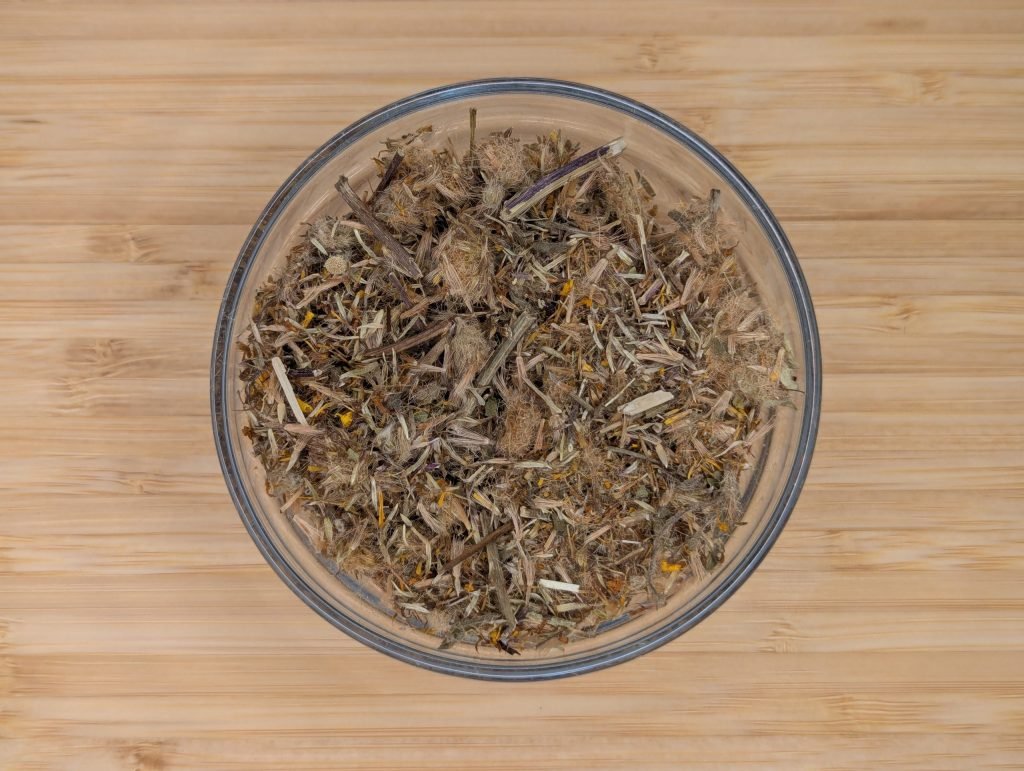
– Dry flowers in a cool, dark, well-ventilated space before storage.
Fun Facts & Folklore
– Arnica was used by Native Americans for bruises, aches, and snake bites.
– The plant is called “Leopard’s Bane” because it was believed to protect against wild animal attacks.
– Traditionally, arnica oil was rubbed on the battlefield to treat injuries.
Related Herbs
Comfrey
(Symphytum officinale): Helps with tissue repair and reduces inflammation.
Calendula
(Calendula officinalis): Soothes and heals skin irritations.
Chamomile
(Matricaria chamomilla): Calms inflammation and supports skin healing.

The Only Garden Journal You'll Ever Need!
Embark on a journey through the seasons with ‘Blooms and Reflections‘ your companion in cultivating the garden of your dreams. This beautifully crafted gardening journal unfolds over 91 pages, offering a comprehensive space for all your gardening aspirations and practical needs.


